PIP DO GOOD
The Pip Family
Meet our Endangered Animals
Pip The Pangolin

Introducing Pip the Pangolin that lives in the heart of Africa. Pip has large, protective keratin scales covering his skin and a long tongue perfect for feasting on ants and termites. He loves nothing more than rolling up into a ball to protect himself from predators, and spending long nights scurrying through the underbrush, in search of his favourite snacks. A shy creature with a great sense of adventure.
Despite PIP’s incredible qualities, pangolins faces many dangers.
Pangolins are the most heavily-trafficked wild mammals in the world, which has led them to the brink of extinction. Poaching and trafficking are some of the biggest threats to pangolins. People seek out pangolins for their meat and scales, which are believed to have medicinal properties in some cultures. Sadly, this demand drives illegal poaching and trafficking, putting Pip and other pangolin populations at great risk.
Simon The Great White
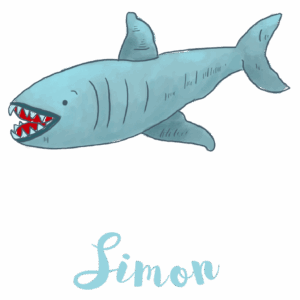
Meet Simon, the great white shark. In the crystal clear waters off the coast of South Africa, Simon the great white shark is swimming gracefully through the waves. With his powerful body, Simon is a formidable predator, feared and respected by all who shares his ocean home.
But despite his strength and majesty, Simon is under threat. Great white sharks are one of the most misunderstood and persecuted species on the planet, with their populations declining.
But there is hope for Simon and his kind. Let’s join Simon and work together to protect great white shark habitats, reduce pollution and overfishing, and promote responsible tourism. With our help, these magnificent creatures can continue to roam the oceans for generations to come.
The great white shark faces numerous challenges in South Africa, including habitat destruction, pollution, and human-related threats such as hunting and bycatch.
Leeto The Leopard
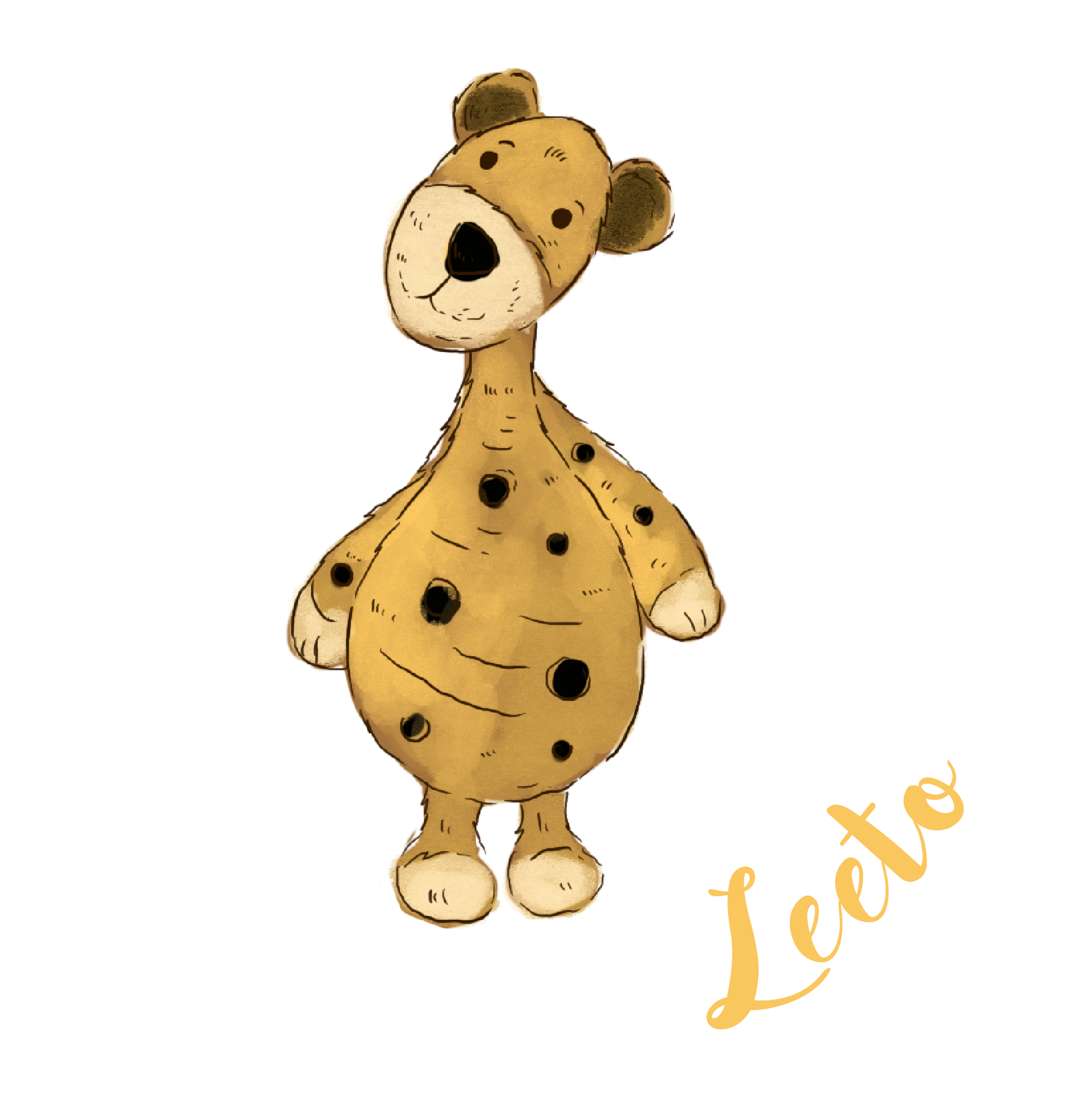
Introducing Leeto the Leopard that lives in sub-Saharan Africa, prowling the grasslands, with his sleek body moving silently through the tall grass. He is a magnificent creature, his spotted coat shimmering in the sunlight. Leeto and his species face many challenges are their populations are decreasing rapidly.
Lets join Leeto and take notice of the plight of leopards and work to support conservation efforts. With our help, these magnificent creatures can continue to roam the savannahs of Africa for generations to come.
Leopards are majestic and formidable big cats closely related to lions, tigers, and jaguars. Known for their elusive and secretive nature, leopards are difficult to track and locate in the wild. They can be found in sub-Saharan Africa, northeast Africa, Central Asia, India, and China, but unfortunately many of their populations are endangered.
One of the primary challenges is habitat loss and fragmentation, as human populations expand and development encroaches on their natural habitats. This forces leopards into smaller and more isolated areas, making it harder for them to breed and find prey. Poaching and hunting is another major challenge, as leopards are hunted for their skins and body parts, which are highly valued in some cultures. This has led to a decline in their numbers.
Frank The Orangutan
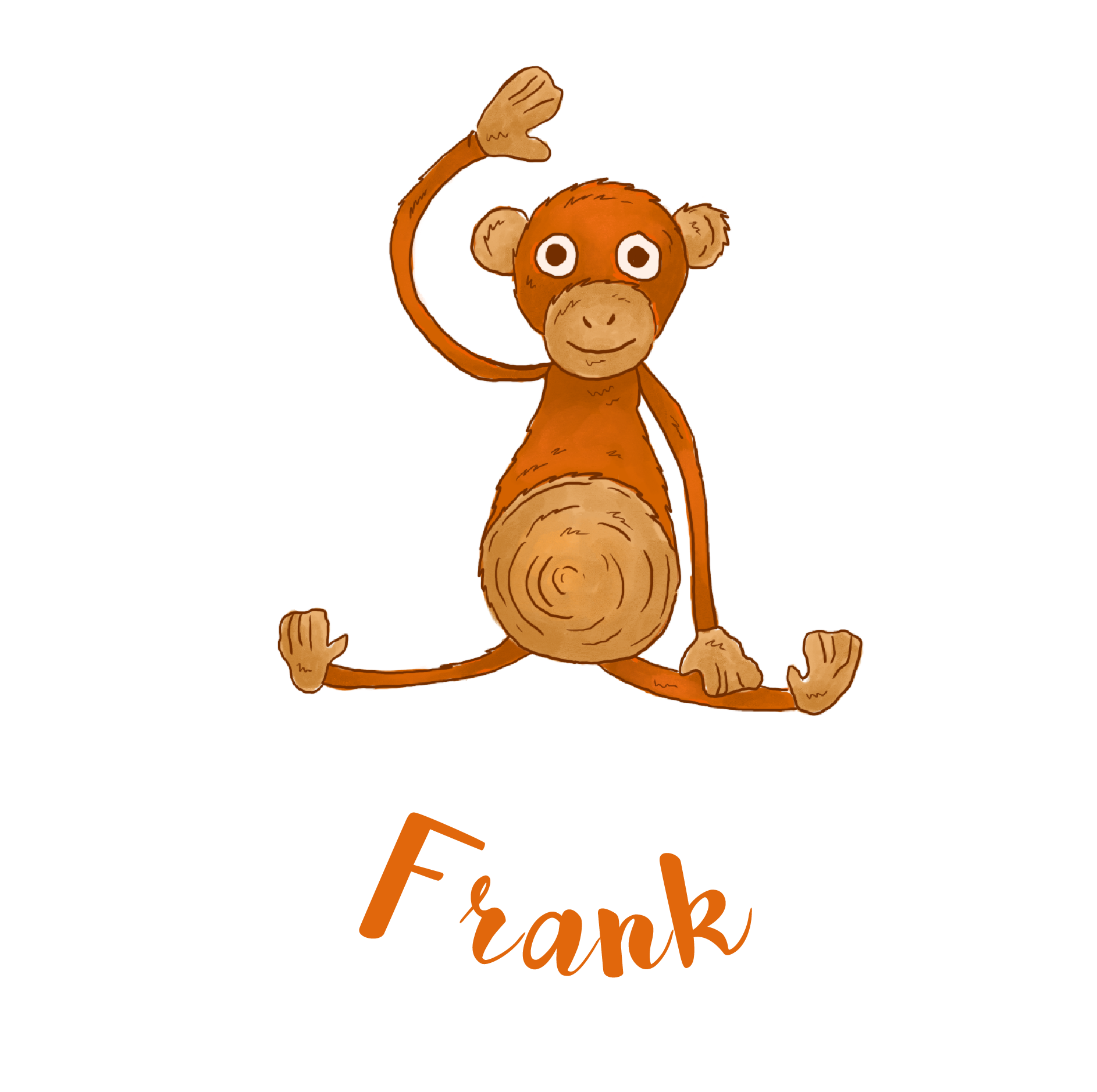
Meet Frank the orangutan who lives in the rainforests of Borneo. Orangutans are among the most intelligent primates on the planet, they have learned to use sophisticated tools to gather food and construct elaborate sleeping nests each night from branches and foliage. They are happy and content, living in harmony with their natural surroundings.
However, Frank is in danger, along with all three orangutan species, are facing critical endangerment.
Let us join Frank in his quest to save the orangutans to protect their home and ensure that these precious creatures continue to be around for many generations to come.
Choose products that use sustainable palm oil: Look for products that use “Roundtable on Sustainable Palm Oil (RSPO)” certification labels. The RSPO is an organization that promotes the use of sustainable palm oil and helps to protect the environment and the rights of local communities.
Buzz The Cape Honeybee
Introducing Buzz the Cape Honeybee, an important pollinator of flowering plants including many Fynbos species in South Africa. Buzz the Cape Honeybee is a busy little worker, buzzing from flower to flower, collecting nectar and pollen to take back to the hive. As a member of one of the most important species of pollinators, Buzz plays a vital role in the delicate balance of nature in South Africa’s Fynbos species.
But Buzz and his fellow Cape Honeybees are facing a growing number of threats, but let’s support Buzz in protecting his family.
While the Cape honeybee is officially classified as not threatened, they are facing challenges such as diminishing forage resources, pests, diseases, and the misuse of pesticides and insecticides in the environment.
Tobie The Sea Turtle
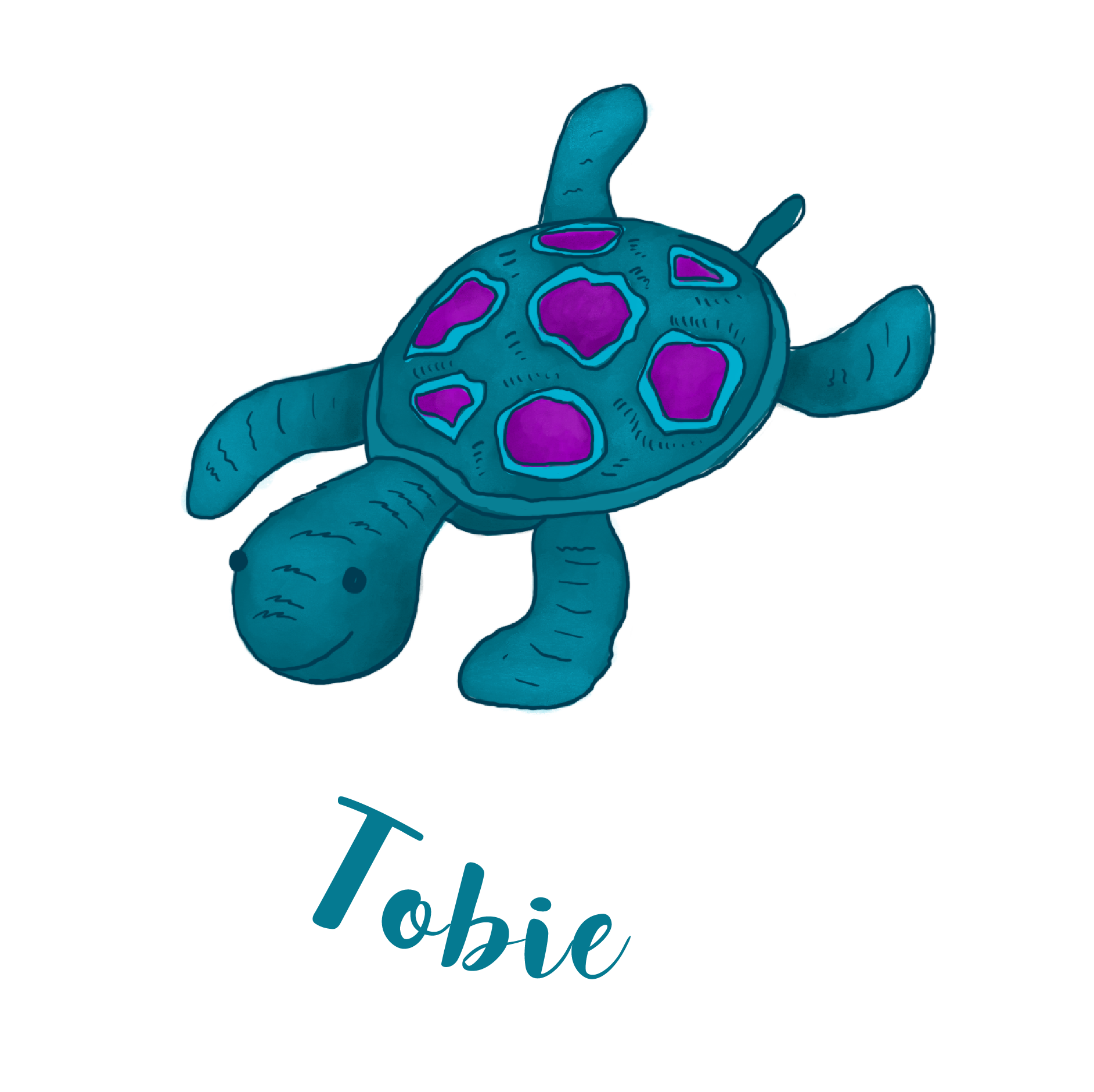
Meet Tobie the hawksbill sea turtle.
Tobie is a happy and adventurous turtle who loves to explore the vastness of the ocean. However, Tobie’s life is in danger because hawkbill sea turtles are listed as critically endangered species.
We need your help to let everyone know how important it is to support the conservation of sea turtles like Tobie.
The hawksbill sea turtle faces several challenges that threaten their survival. One of the most significant threats is the impact of human activities, such as fishing practices and the harvesting of their shells. Hawksbill sea turtles are often caught as bycatch in fishing nets, which can result in injury or death. Additionally, they are hunted for their shells, which are used to make tortoiseshell decorative items.
Pebbles The African Penguin
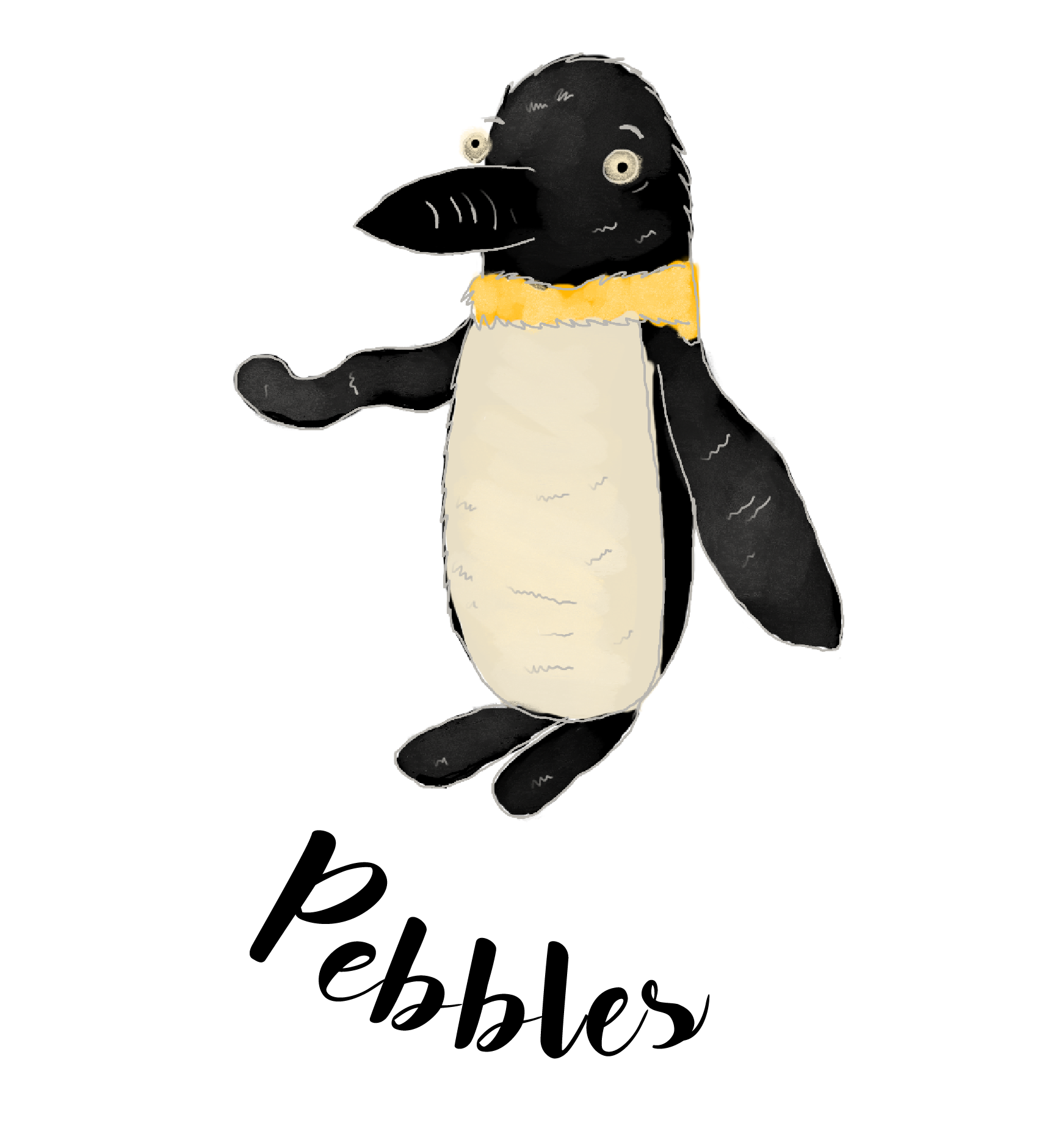
Introducing Pebbles, the African Penguin. Pebbles is a small but spirited penguin with a loud and distinct bray. Sadly, Pebbles and other African penguins like her are endangered, with their population sizes decreasing. We can help support Pebbles and her fellow African penguins in a few ways. One way is by reducing our use of plastic, especially single-use plastics like straws and plastic bags. We can also make sustainable seafood choices by choosing to eat fish that is sustainably sourced and not overfished. Overfishing has a direct impact on the ability of African penguins to find food, as they rely on small fish like anchovies and sardines to survive.
By taking these steps, we can help ensure that Pebbles and her fellow African penguins continue to thrive in the wild. Let’s work together to protect these amazing creatures and the beautiful marine environments they call home.
The African Penguin faces multiple challenges in South Africa that endanger their survival as a species. One of the most significant challenges is habitat loss due to coastal development and human activity. This reduction in natural habitats limits the areas available for breeding and feeding, making it harder for penguins to survive.
Ronnie The Black Rhino
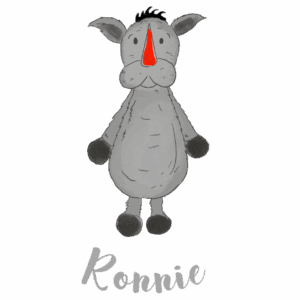
Meet Ronnie, the magnificent black rhinoceros. With a thick, grey hide and two massive horns protruding from his snout. He roams the savannahs of eastern and southern Africa, and he knows every inch of his territory like the back of his hoof. Ronnie is a proud and solitary creature, and enjoys his quiet life of grazing, sleeping, and occasionally sparring with other rhinos over territory.
But Ronnie’s peaceful existence is constantly under threat.
Let us join Ronnie in his quest to ensure that these magnificent creatures continue to roam the African savannahs for generations to come by spreading awareness about the importance of protecting rhinos and their habitats.
Eddie The African Elephant
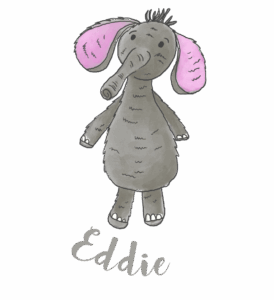
Introducing Eddie the African elephant, that inhabits a range of environments, including savannas, grasslands, forests, and woodlands across sub-Saharan Africa.
But as Eddie roams through the lush grasslands and ancient forests, a dark cloud looms over his existence. The world is changing, and so is the fate of the African elephants. Poachers, driven by the demand for ivory are venturing deeper into the heart of the wilderness. Their cruel intentions shattered the tranquility of the elephants’ lives, leaving them vulnerable and fearful.
There are other obstacles that make survival even more difficult. The expanding human settlements encroached upon the elephant’s natural territory, leaving them with diminishing space to roam and find food. The once abundant watering holes are beginning to dry up, and the rivers that flowed freely are reduced to mere trickles, forcing the elephants to embark on treacherous journeys in search of sustenance.
Roger The Riverine Rabbit
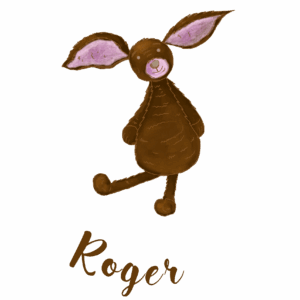
Meet Roger, the precious Riverine Rabbit that is a small and cute rabbit, with long ears and soft fur. He loves to hop around and nibble on the Karoo vegetation.
Roger’s home is slowly disappearing. By raising awareness about the riverine rabbit and their plight, we are hoped to inspire others to take action and help protect their home.
So let us join Roger in his quest to save the riverine rabbit. Let us work together to protect their home and ensure that these precious creatures continue to hop around for many generations to come.
With only 200 individuals remaining, it is imperative that we take immediate action to support their survival.
Shelly The Knysna Seahorse
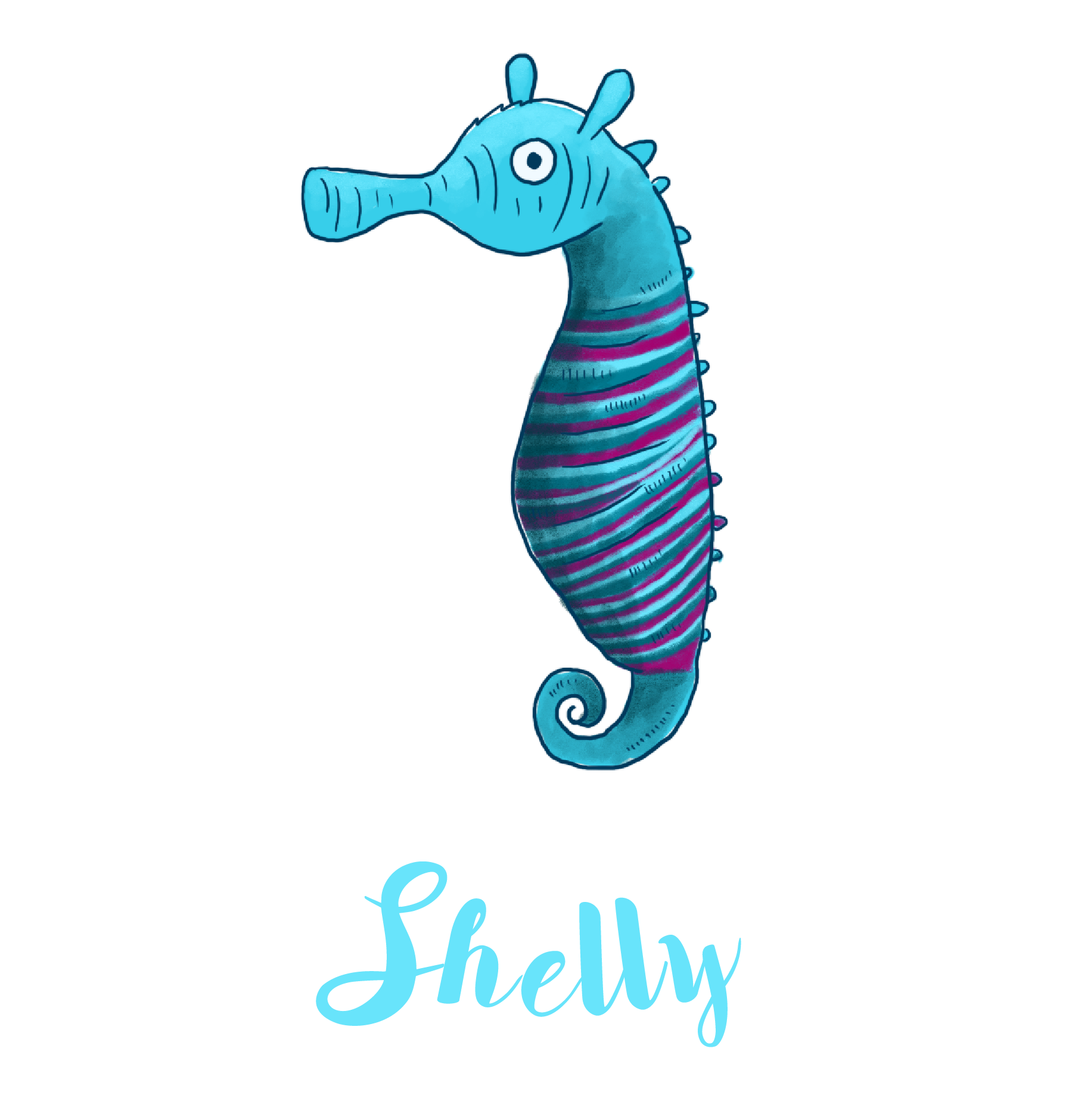
Meet Shelly the Knysna Seahorse, a curious and adventurous creature that lives in the peaceful waters of the Knysna estuary. Shelly is a rare and unique species, known for her delicate features and bright colours that shimmer in the sunlight.
Shelly loves to explore her habitat, swimming through the reeds and kelp forests that surround her home. She often encounters other creatures, like crabs and small fish, which she greets with a friendly nod of her head.
However, life is not always easy for Shelly and her kind. The Knysna Seahorse faces many challenges that threatened their survival. The most significant of these is habitat loss and degradation, caused by pollution, coastal development, and invasive species that disrupted their ecosystem and food sources.
Climate change is another major threat to the seahorse, as changes in water temperature and weather patterns can alter their habitat and disrupt their breeding and feeding patterns.
Bokkie the Springbok

Introducing Bokkie the Springbokkie — small, swift, and full of pride! Native to the open plains and grasslands of southern Africa, the springbok is one of the most agile antelope species, famous for its graceful leaps and bursts of speed.
But Bokkie isn’t just any antelope. This little bok is a national icon, proudly representing South Africa’s rugby team, the Springboks — a name that strikes pride in the hearts of millions across the country.
While springboks are not endangered and continue to thrive in their natural habitats, Bokkie stands as a symbol of unity, resilience, and sporting excellence. From grassroots games to world cup triumphs, the springbok emblem has galloped alongside some of South Africa’s proudest sporting moments.
Whether you’re cheering from the stadium stands, your couch, or halfway across the world, Bokkie reminds us all of what it means to be proudly South African — fast, fearless, and full of heart.
Gamba the Gorilla

Meet Gamba the Gorilla, a majestic and intelligent giant of the African forests. Known for their incredible strength, close family bonds, and thoughtful nature, gorillas like Gamba live deep in the misty mountain and lowland rainforests of central Africa.
But Gamba’s world is changing.
Once abundant across vast tracts of forest, gorillas now face serious challenges. Rapid deforestation and human encroachment are destroying the dense jungles they call home. This loss of habitat fragments their populations, making survival harder and increasing their risk of conflict with humans.
Poaching and disease also pose constant threats. Despite their powerful presence, gorillas are vulnerable to snares set for other animals and outbreaks of illnesses that can spread quickly through close-knit groups.
Leo the African Lion

Meet Leo the African Lion, a powerful and iconic predator that once ruled the vast plains, open woodlands, and savannahs across Africa. With his golden mane and commanding roar, Leo symbolizes the wild heart of Africa.
But Leo’s world is changing.
Once widespread, African lions like Leo now face mounting threats. Habitat loss from human development is rapidly shrinking the land available to them. Where there were once roaming grounds, now there are fences, farms, and roads. Their natural prey is disappearing, pushing lions closer to human communities—often with deadly consequences.
In addition to habitat conflict, lions are being hunted for body parts used in traditional medicine and trophy hunting, further endangering this majestic species. Their numbers have plummeted by more than 40% in just three decades.
Friends of Pip